
How to choose the right diet for your body
Choosing a diet shouldn’t feel like choosing a side.
Yet for many people, that’s exactly what it feels like. One week it’s keto. The next it’s vegan. Then someone swears gluten-free changed their life, while another says high-protein is the only thing that works.
If you’ve ever felt confused, pressured, or unsure where you fit into all of this, you’re not alone.
This guide is here to help you choose the right diet for your body in a way that feels thoughtful, realistic, and grounded in everyday life — not trends or extremes.
Why “The Right Diet” Is Personal (Not Universal)
There is no single diet that works perfectly for everyone.
Bodies differ in:
- Energy needs
- Digestion
- Food tolerance
- Lifestyle demands
- Cultural and personal preferences
What supports one person may feel restrictive or unsustainable for another. That’s why choosing a diet works best when you focus less on labels and more on how food actually fits your body and life.
At RecipeToDiet, we approach diets as tools, not identities. A diet should support you — not require constant discipline or discomfort.
Start With How You Eat Now (Not Where You “Should” Be)
Before looking at any diet type, take an honest look at your current habits.
Ask yourself:
- Do I cook most meals at home or rely on convenience?
- Do I prefer structure or flexibility?
- Do I feel better with lighter meals or more protein?
- Are there foods I avoid because they don’t sit well with me?
These answers matter more than any trend. A diet that fits your routine is far more likely to stick than one that looks good on paper.
Understanding Popular Diet Types (Without the Hype)
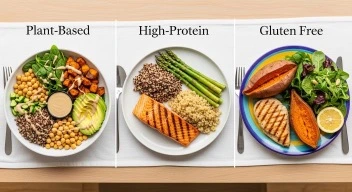
Below is a clear, practical overview of common diet approaches — including who they may work well for and where they may fall short.
Keto Diet: Low-Carb, High-Fat Structure
The keto diet focuses on very low carbohydrates and higher fat intake.
May work well for people who:
- Prefer structured rules
- Feel satisfied with higher-fat meals
- Don’t rely heavily on bread, grains, or sugar
Possible limitations:
- Can feel restrictive socially
- Not ideal for everyone long term
- Requires careful planning
Keto works best when meals are intentionally designed — not improvised.
Vegan Diet: Plant-Based and Flexible
A vegan diet avoids all animal products and centers on plant foods.
May work well for people who:
- Enjoy vegetables, grains, and legumes
- Prefer lighter meals
- Want ethical or environmental alignment
Possible limitations:
- Requires attention to protein sources
- Can feel overwhelming without planning
- Some people experience low energy if meals aren’t balanced
A vegan diet works best when meals are built thoughtfully, not just by removing animal products.
Gluten-Free Diet: Focused, Not Trend-Based
A gluten-free diet removes wheat, barley, and rye.
May work well for people who:
- Have gluten sensitivity or digestive discomfort
- Prefer simpler ingredient lists
- Want to reduce processed foods
Possible limitations:
- Gluten-free does not automatically mean healthier
- Some packaged substitutes are highly processed
Gluten-free eating works best when based on whole foods rather than replacements.
High-Protein Diet: Satiety and Structure
High-protein eating emphasizes protein at each meal.
May work well for people who:
- Feel hungry quickly between meals
- Want meals that feel filling
- Prefer savory foods
Possible limitations:
- Can crowd out fiber-rich foods if unbalanced
- Needs variety to avoid monotony
Protein supports satiety, but balance still matters.
Balanced or Low-Calorie Approaches
Balanced eating focuses on moderation rather than restriction.
May work well for people who:
- Want flexibility
- Eat with family or shared meals
- Prefer sustainability over strict rules
Possible limitations:
- Requires portion awareness
- Progress may feel slower for some goals
This approach works well for long-term consistency.
How to Choose the Right Diet for Your Body (Step by Step)

Instead of asking “Which diet is best?”, try asking these questions:
1. What foods make me feel good after eating?
Energy, digestion, and satisfaction are strong signals.
2. What can I realistically cook most weeks?
A diet that depends on constant motivation won’t last.
3. Do I want structure or flexibility?
Some people thrive with rules; others need room to adapt.
4. Can I see myself eating this way long term?
If the answer is no, it’s probably not the right fit.
This is how you choose the right diet for your body — by aligning food with real life.
Common Mistakes People Make When Choosing a Diet
- Choosing based on popularity rather than personal fit
- Expecting immediate results
- Eliminating foods without understanding replacements
- Treating a diet as all-or-nothing
Diets work best when approached as adjustable frameworks, not rigid systems.
How Diet-Focused Recipes Make This Easier

This is where diet-focused cooking matters.
When recipes are designed for a specific way of eating, you don’t have to:
- Constantly modify meals
- Guess whether a recipe fits
- Feel unsure at mealtime
That’s the philosophy behind RecipeToDiet.
If you’re new here, our foundational guide “What Is RecipeToDiet? How Diet-Focused Recipes Help You Eat Better”explains this approach in more detail and how to use recipes intentionally.
You Don’t Have to Choose Just One Diet Forever
Many people find success by:
- Eating gluten-free at home but flexible when out
- Using high-protein meals during busy weeks
- Choosing plant-based meals most days, not all days
Your diet can evolve as your life does.
Frequently Asked Questions
How do I know if a diet is working for me?
Look at energy levels, digestion, and how sustainable it feels over time — not just short-term results.
Can I switch diets if one doesn’t feel right?
Yes. Adjusting is part of learning what works for your body.
Is it bad to combine diet approaches?
Not at all. Many people eat in overlapping ways without labeling it.
Do I need to follow a diet strictly?
No. Consistency matters more than perfection.
Should I consult a professional?
If you have health concerns or medical conditions, professional guidance is always recommended.
The Takeaway
Choosing the right diet for your body doesn’t require perfection or loyalty to a label.
It requires awareness, flexibility, and meals that fit real life.
When food feels supportive instead of stressful, eating better becomes something you can actually maintain — and that’s the kind of progress that lasts.
Our Authority Sources
To ensure responsible, evidence-aware guidance, this article is informed by trusted nutrition and public health organizations:
- Harvard T.H. Chan School of Public Health – Research-based insights on nutrition patterns and dietary balance
- Academy of Nutrition and Dietetics – Professional perspectives on diet planning and food choices
- National Institutes of Health (NIH) – Foundational information on nutrition and diet-related research
- World Health Organization (WHO) – Global guidance on healthy eating patterns