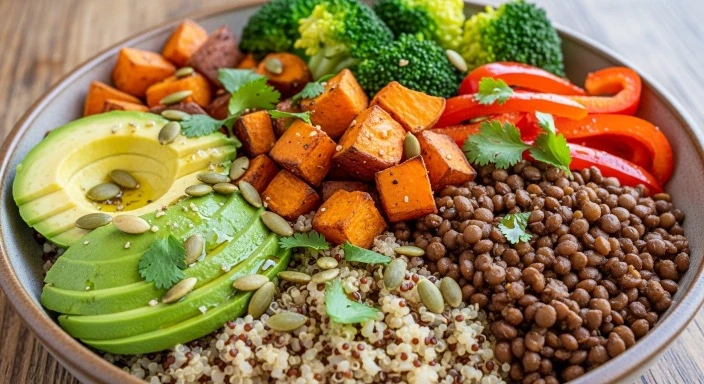
The vegan diet has grown steadily over the past decade — not just as a trend, but as a structured way of eating that many people adopt for health, environmental, ethical, or personal reasons.
Still, confusion remains.
Is a vegan diet automatically healthy?
Is it hard to follow?
Can you get enough protein?
Who should — and shouldn’t — consider it?
This guide offers a clear, balanced explanation of what a vegan diet is, its potential benefits and risks, and who it’s best suited for, based on current understanding as of February 2026.
No hype. No fear. Just practical clarity.
What Is a Vegan Diet?
A vegan diet is a plant-based eating pattern that excludes all animal products.
This means no:
- Meat
- Poultry
- Fish
- Dairy
- Eggs
- Honey
Instead, meals focus on:
- Vegetables
- Fruits
- Whole grains
- Legumes
- Nuts and seeds
- Plant-based oils
The structure is simple in theory: food comes from plants.
But in practice, balance matters.
What Do Vegans Actually Eat?
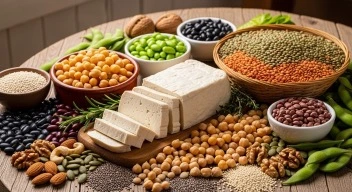
A well-planned vegan plate often includes:
Protein Sources
- Lentils
- Chickpeas
- Black beans
- Tofu
- Tempeh
- Edamame
Whole Grains
- Quinoa
- Brown rice
- Oats
- Farro (if gluten is tolerated)
Healthy Fats
- Avocado
- Olive oil
- Nuts and seeds
- Nut butters
Vegetables & Fruits
- Leafy greens
- Cruciferous vegetables
- Berries
- Root vegetables
The key word here is planned. A vegan diet built on fries and white bread technically qualifies — but won’t offer the same nutritional quality.
If you’re still exploring diet alignment, review How to Choose the Right Diet for Your Body before making a shift.
Potential Benefits of a Vegan Diet
Research as of 2026 continues to explore plant-based eating patterns in depth.
1. Higher Fiber Intake
Plant-based diets tend to be rich in fiber due to heavy reliance on legumes, vegetables, and whole grains.
The Journal of Academy of Nutrition and Dietetics consistently notes that fiber supports digestive health and satiety.
2. Lower Saturated Fat Intake
When animal fats are reduced, saturated fat intake may decrease — depending on food choices.
The World Health Organization (WHO) continues to recommend limiting saturated fats and replacing them with unsaturated fats where possible.
3. Potential Cardiometabolic Benefits
Some research summarized by the Harvard T.H. Chan School of Public Health suggests plant-forward diets may support heart health markers in certain populations.
However, outcomes depend on food quality — not simply removing animal products.
4. Environmental and Ethical Alignment
Many individuals choose vegan eating for sustainability or ethical considerations. While this article focuses on diet structure, values can strongly influence adherence.
Risks and Nutrients to Watch on a Vegan Diet
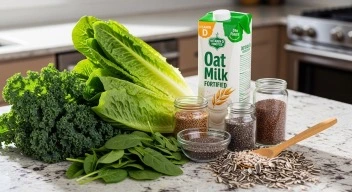
No diet is automatically complete without planning.
A vegan diet requires attention to certain nutrients.
1. Vitamin B12
B12 is naturally found in animal products. Vegans typically require fortified foods or supplementation.
The National Institutes of Health (NIH) emphasizes that B12 deficiency can develop without adequate intake.
2. Iron
Plant-based iron (non-heme iron) is less easily absorbed than animal-based iron.
Strategies:
- Combine iron-rich foods with vitamin C sources.
- Monitor intake through diverse legumes and leafy greens.
3. Omega-3 Fatty Acids
ALA sources:
- Flaxseeds
- Chia seeds
- Walnuts
Conversion to EPA/DHA varies between individuals.
4. Protein Distribution
Total protein intake can be adequate on vegan diets, but it requires intentional distribution across meals.
For balanced plate structure, revisit How to Build Balanced Meals for Any Diet to ensure vegan meals meet protein targets.
Common Mistakes People Make on a Vegan Diet
Relying on Ultra-Processed Vegan Substitutes
Plant-based burgers and frozen vegan snacks can fit occasionally, but daily reliance reduces nutrient density.
Not Planning Protein at Every Meal
A bowl of pasta with tomato sauce is technically vegan — but lacks protein and fiber balance.
Overestimating “Health Halo” Foods
Vegan cookies are still cookies. Food quality matters more than labels.
Underestimating Calorie Density
Nuts and oils are nutrient-dense but calorie-dense. Portion awareness still matters.
For guidance on avoiding general pitfalls, see Common Diet Mistakes That Ruin Results (And How to Fix Them).
Who Is a Vegan Diet Best For?
A vegan diet may work well for:
- Individuals who enjoy cooking and meal planning
- Those comfortable preparing legumes and whole grains
- People motivated by environmental or ethical reasons
- Individuals who tolerate high-fiber diets well
It may be more challenging for:
- Those who strongly prefer animal-based proteins
- Individuals with limited food variety access
- People with certain digestive sensitivities
Sustainability matters more than idealism.
How to Start a Vegan Diet Gradually
A sudden shift can feel overwhelming.
Begin with:
- One plant-based meal per day.
- Replace animal proteins with legumes gradually.
- Explore simple recipes rather than complicated substitutions.
- Plan grocery lists intentionally.
Simple meal examples:
- Lentil vegetable soup with whole-grain bread
- Chickpea salad with olive oil and lemon
- Tofu stir-fry with brown rice
Start simple. Build variety over time.
Is a Vegan Diet Good for Weight Loss?
Weight changes vary by individual.
Plant-based diets often increase fiber intake, which may support fullness. However:
- Portion sizes still matter
- Processed vegan foods can be calorie-dense
- Energy balance still influences outcomes
A vegan diet is not automatically a weight-loss plan.
Frequently Asked Questions
Can you get enough protein on a vegan diet?
Yes, with planning. Legumes, tofu, and whole grains can provide adequate protein.
Is a vegan diet automatically healthy?
No. Food quality determines nutritional value, not the absence of animal products.
Do vegans need supplements?
Many require vitamin B12 supplementation. Individual needs vary.
Can athletes follow a vegan diet?
Yes, but protein and energy needs must be carefully managed.
Is vegan better than keto?
They serve different goals. The best choice depends on personal preference and sustainability.
If you’re exploring plant-based eating:
- Start with Healthy Cooking Basics You Need to Know to build foundational skills.
- Review How to Build Balanced Meals for Any Diet for plate structure.
- Try a lighter dessert option like Lighter Chocolate Matcha Cake (Balanced & Diet-Friendly) if adapting sweets thoughtfully.
Plant-based eating works best when built on structure — not restriction.
The Takeaway
A vegan diet is a structured plant-based eating pattern that excludes animal products.
It can offer benefits when:
- Built around whole foods
- Balanced with adequate protein and fiber
- Planned thoughtfully
It requires attention to specific nutrients and realistic expectations.
The most important question is not whether vegan is “better,” but whether it fits your life, preferences, and long-term goals.
Balanced structure — not labels — determines success.
Our Authority Sources
This article reflects current guidance as of February 2026 and is informed by:
- Harvard T.H. Chan School of Public Health – Research on plant-based dietary patterns and cardiovascular health
- Journal of Academy of Nutrition and Dietetics – Position statements on vegetarian and vegan diets
- National Institutes of Health (NIH) – Nutrient requirements including vitamin B12 and iron
- World Health Organization (WHO) – Dietary fat and global nutrition guidelines
These organizations provide general information and do not replace individualized medical advice.