
What is the keto diet
The keto diet has been discussed for years — sometimes praised, sometimes criticized, often misunderstood.
If you’ve searched for clear answers and felt overwhelmed by conflicting advice, you’re not alone. Keto can sound technical at first, but the core idea is actually straightforward.
This guide offers the best beginner explanation of the keto diet, grounded in current understanding as of February 2026. We’ll cover what it is, how it works, who it may suit, common mistakes, and what realistic expectations look like.
No hype. No extremes. Just clarity.
What Is the Keto Diet? (Simple Explanation)
The ketogenic (keto) diet is a very low-carbohydrate, moderate-protein, higher-fat eating pattern designed to shift the body into a metabolic state called ketosis.
In ketosis, your body uses fat — rather than carbohydrates — as its primary fuel source.
Normally, the body relies on glucose (from carbohydrates) for energy. When carbohydrate intake drops significantly, the body begins converting fat into molecules called ketones, which can then be used as fuel.
That metabolic shift is the foundation of the keto diet.
How Low Is “Low Carb” on Keto?
Most keto plans aim for:
- 20–50 grams of net carbohydrates per day
- Moderate protein intake
- Higher fat intake to replace carbohydrates
Net carbs typically mean total carbohydrates minus fiber.
This carbohydrate reduction is what triggers ketosis — not simply “eating healthy.”
How Does Ketosis Actually Work?
When carb intake drops:
- Glycogen (stored carbohydrate) is depleted.
- Insulin levels decrease.
- The liver converts fatty acids into ketones.
- The body begins using ketones as a primary energy source.
According to research summarized by institutions like the National Institutes of Health (NIH) , ketosis is a natural metabolic adaptation to low carbohydrate availability.
However, nutritional ketosis differs from medical conditions like ketoacidosis, which is unrelated to a typical keto diet in healthy individuals.
What Do You Eat on a Keto Diet?

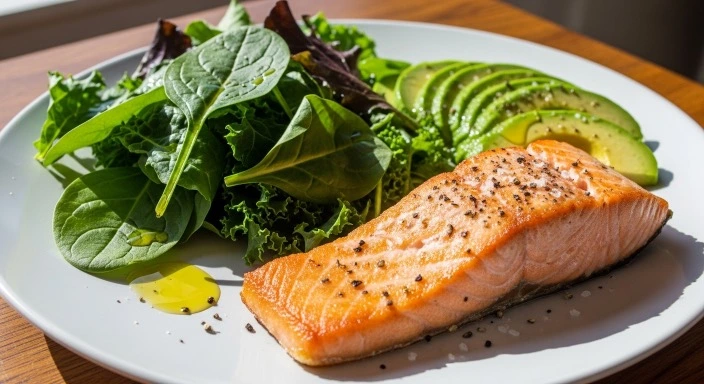
A beginner-friendly keto plate often includes:
Protein
- Eggs
- Chicken
- Beef
- Fish (especially salmon)
- Tofu (for lower-carb plant-based adaptations)
Healthy Fats
- Olive oil
- Avocado
- Nuts and seeds
- Butter (in moderation)
Low-Carb Vegetables
- Spinach
- Broccoli
- Zucchini
- Cauliflower
- Asparagus
Foods Limited or Avoided
- Bread
- Pasta
- Rice
- Most fruit
- Sugar
- High-carb snacks
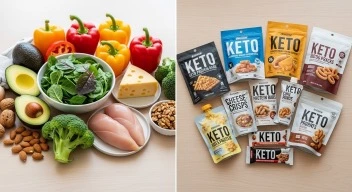
The focus is on whole foods, not processed keto substitutes.
For balanced plate structure guidance, see How to Build Balanced Meals for Any Diet to ensure fiber and protein stay adequate even when carbs drop.
What Are the Potential Benefits of Keto?
As of 2026, keto is commonly associated with:
- Weight loss (often initially rapid due to glycogen depletion)
- Appetite reduction in some individuals
- Blood sugar management under medical supervision
Research published and summarized by sources such as the Harvard T.H. Chan School of Public Health suggests that low-carb diets can support weight loss in certain populations, though long-term sustainability varies.
It’s important to note: keto is not automatically superior to other structured diets. Results often depend on adherence and overall food quality.
Common Keto Mistakes Beginners Make
Understanding common pitfalls can prevent frustration.
1. Eating Too Much Protein
Excess protein can interfere with maintaining ketosis for some individuals.
Keto is not high-protein — it’s moderate-protein.
2. Ignoring Fiber
Because grains and many fruits are restricted, fiber intake can drop.
Solution:
- Prioritize non-starchy vegetables.
- Include seeds and low-carb fiber sources.
Fiber remains important, even on keto.
3. Relying on Processed “Keto” Products
Packaged keto snacks often contain:
- Sugar alcohols
- Refined fats
- Low nutrient density
Whole foods remain the foundation of a sustainable keto approach.
4. Expecting Immediate Long-Term Results
Initial weight loss often reflects water loss due to glycogen depletion.
Sustainable fat loss depends on overall energy balance, not ketosis alone.
For broader guidance on avoiding diet pitfalls, review Common Diet Mistakes That Ruin Results (And How to Fix Them).
Who Might Benefit from a Keto Diet?
Keto may appeal to individuals who:
- Prefer structured rules
- Feel satisfied with higher-fat meals
- Want to reduce refined carbohydrate intake
It may not be ideal for:
- Individuals who enjoy high-carb foods socially
- Those who struggle with dietary restriction
- People with certain medical conditions without supervision
As with any diet, personal fit matters.
If you’re exploring options, How to Choose the Right Diet for Your Body can help you evaluate alignment before committing.
Is Keto Safe Long-Term?
Current research as of 2026 shows mixed but evolving data.
Short-term keto interventions appear safe for many healthy adults. Long-term sustainability depends on:
- Food quality
- Micronutrient sufficiency
- Individual health status
Major health organizations continue to recommend prioritizing whole foods and minimizing highly processed fats regardless of carb intake.
Moderation and medical consultation are encouraged when making significant dietary changes.
How to Start Keto (Beginner-Friendly Steps)

If you decide to try keto:
- Gradually reduce refined carbohydrates first.
- Increase non-starchy vegetables.
- Add healthy fats intentionally — not excessively.
- Monitor hydration and electrolytes.
- Plan meals in advance to prevent defaulting to high-carb foods.
Simple keto meals might include:
- Scrambled eggs with spinach and avocado
- Grilled salmon with roasted broccoli
- Chicken thighs with zucchini noodles
Keep meals simple. Complexity leads to burnout.
Frequently Asked Questions
How long does it take to enter ketosis?
Many people enter ketosis within 2–7 days of significantly reducing carbohydrates.
Can I eat fruit on keto?
Most fruit is limited due to carbohydrate content, though small portions of berries may fit.
Is keto better than low-calorie diets?
Not necessarily. Both can support weight loss depending on adherence and food quality.
Will I lose weight immediately?
Initial changes often reflect water weight. Long-term progress depends on consistency.
Can vegetarians do keto?
Yes, but it requires careful planning to balance protein and fat while limiting carbohydrates.
The Bottom Line
The keto diet is a structured, very low-carbohydrate approach that shifts the body into fat-based fuel use.
It can support weight loss and appetite regulation for some individuals. But it requires planning, awareness of fiber intake, and realistic expectations.
Keto works best when:
- Built around whole foods
- Balanced with adequate vegetables
- Aligned with your lifestyle
Like any diet, its success depends less on theory and more on sustainability.
Our Authority Sources
This article reflects current understanding as of February 2026 and is informed by:
- Harvard T.H. Chan School of Public Health – Research on low-carbohydrate dietary patterns and long-term sustainability
- National Institutes of Health (NIH) – Research on metabolism and ketosis
- Academy of Nutrition and Dietetics – Guidance on macronutrient balance and dietary planning
- World Health Organization (WHO) – General dietary fat and nutrition quality recommendations
These organizations provide general frameworks and do not replace personalized medical advice.