Healthy cooking basics you need to know
Healthy cooking doesn’t start with complicated recipes or trendy ingredients. It starts with understanding a few simple principles that shape how food supports your body.
In 2026, the conversation around food is clearer than it was a decade ago. Research consistently supports balanced eating patterns built around whole foods, fiber-rich carbohydrates, quality proteins, and healthy fats. What has changed is not the fundamentals — but how we apply them at home.
If you want your meals to support your diet — whether that’s weight-conscious, plant-based, high-protein, gluten-free, or simply balanced — these healthy cooking basics you need to know will help you cook with more clarity and confidence.
This guide focuses on diet-based cooking strategy, not generic kitchen tips. Because healthy cooking is not about being perfect. It’s about being intentional.
What Healthy Cooking Really Means in 2026
Healthy cooking today is less about eliminating entire food groups and more about:
- Ingredient quality
- Preparation methods
- Portion awareness
- Nutrient balance
- Sustainability
According to guidance from the Harvard T.H. Chan School of Public Health, balanced plates built around vegetables, whole grains, lean proteins, and healthy fats continue to form the foundation of long-term dietary patterns.
Healthy cooking is not about rigid rules. It’s about building meals that:
- Support energy
- Support digestion
- Feel satisfying
- Fit your lifestyle
Healthy Cooking Basics You Need to Know Before Choosing a Diet
Before committing to keto, vegan, high-protein, or any structured plan, it helps to understand foundational cooking principles.
These basics apply across diet styles.
1. Build Your Plate Around Vegetables First
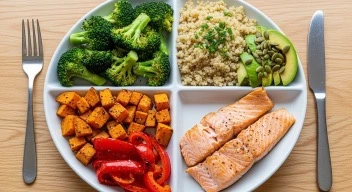
Vegetables provide fiber, micronutrients, and volume without excessive calories. In most diet patterns — from Mediterranean to plant-based to weight-conscious approaches — vegetables anchor the meal.
Practical tip:
Fill at least half your plate with non-starchy vegetables whenever possible.
Common mistake:
Using vegetables only as garnish instead of the main component.
This approach works for:
- Balanced diets
- Weight-conscious eating
- Plant-forward diets
- High-fiber strategies
2. Choose Cooking Methods That Preserve Nutrients
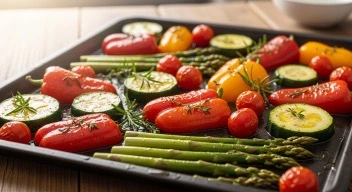
The way you cook matters.
According to the National Institutes of Health (NIH) and broader nutrition research, excessive frying or high-temperature processing may reduce certain nutrients and increase added fats.
Health-supportive cooking methods include:
- Steaming
- Roasting at moderate temperatures
- Sautéing with controlled oil
- Baking
- Grilling without charring
Healthy cooking does not mean avoiding oil — it means using appropriate amounts.
3. Understand Protein’s Role in Diet-Focused Cooking
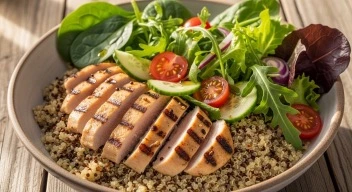
Protein supports satiety and muscle maintenance. Most modern dietary guidance recognizes the importance of adequate protein intake across eating styles.
Protein sources may include:
- Legumes (plant-based diets)
- Fish and poultry
- Eggs
- Tofu and tempeh
- Greek yogurt
- Lean meats
High-protein diets can be helpful for satiety, but balance remains important.
If you’re exploring protein-focused meals, see our related guide on how to choose the right diet for your body to determine what fits your needs.
4. Healthy Fats Are Not the Enemy
Outdated thinking treated fat as the primary problem. Current research supports moderate intake of unsaturated fats, including:
- Olive oil
- Avocados
- Nuts
- Seeds
- Fatty fish
The World Health Organization (WHO) continues to recommend reducing trans fats while allowing moderate unsaturated fat intake.
The key is moderation and quality — not elimination.
5. Reduce Ultra-Processed Ingredients
One of the clearest nutrition patterns emerging in recent years is the association between highly processed foods and less favorable health outcomes.
Healthy cooking basics emphasize:
- Whole ingredients
- Minimal ingredient lists
- Cooking at home more often
This applies whether you’re following keto, vegan, gluten-free, or balanced eating.
How Healthy Cooking Basics Support Different Diet Types
Healthy cooking fundamentals adapt easily to multiple diet approaches.
For Keto Cooking
- Focus on healthy fats, not processed substitutes
- Avoid relying only on cheese-heavy meals
- Use vegetables strategically
For Vegan Cooking
- Prioritize complete protein combinations
- Avoid excessive reliance on processed plant substitutes
- Include iron- and B12-aware food planning
For Gluten-Free Cooking
- Base meals on naturally gluten-free foods (rice, quinoa, legumes)
- Avoid replacing everything with packaged alternatives
For Weight-Conscious Cooking
- Increase fiber
- Moderate portion sizes
- Avoid liquid calories
Healthy cooking basics make any diet easier to sustain.
Portion Awareness Without Obsession
Portion control does not require calorie counting for everyone.
A helpful framework:
- Half vegetables
- Quarter protein
- Quarter whole grains or starchy vegetables
- Healthy fat used intentionally
Common Healthy Cooking Mistakes
Even well-intentioned cooks make mistakes.
Overcomplicating Meals
Simple meals are more sustainable.
Using “Healthy” Labels as Permission
Gluten-free or vegan does not automatically mean lower-calorie or nutrient-dense.
Ignoring Flavor
Healthy food must taste good to be sustainable.
Avoiding All Fats
Healthy fats improve nutrient absorption and satiety.
Healthy Cooking for Real Life
The most important healthy cooking basic? Consistency.
Cooking at home:
- Increases ingredient awareness
- Reduces added sugars and sodium
- Supports better portion control
Healthy cooking should feel manageable, not exhausting.
If you’re new to this approach, our foundational guide What Is RecipeToDiet? How Diet-Focused Recipes Help You Eat Better explains how to structure meals intentionally.
Frequently Asked Questions
Is healthy cooking the same as dieting?
Not necessarily. Healthy cooking supports balanced eating, which can align with different diets.
Do I need expensive ingredients to cook healthy meals?
No. Many affordable whole foods support balanced eating.
Is air frying healthier than deep frying?
Air frying generally uses less oil, which may reduce calorie density.
Are all low-carb meals healthy?
Not automatically. Food quality and balance still matter.
Should I avoid carbs entirely?
Most public health guidance supports moderate intake of high-quality carbohydrates rather than elimination.
The Takeaway
Healthy cooking basics you need to know are not complicated rules. They are practical principles that support every major diet approach.
When you understand how to build balanced plates, cook with intention, use fats wisely, and reduce processed ingredients, you create a foundation that works across eating styles.
Healthy cooking is not about extremes. It’s about steady, sustainable choices that support your body over time.
Our Authority Sources
- Harvard T.H. Chan School of Public Health – Ongoing research and recommendations on balanced dietary patterns
- National Institutes of Health (NIH) – Research-backed nutrition fundamentals
- World Health Organization (WHO) – Global dietary recommendations